The Tiny Giants: How Dwarf Galaxies Spread the Seeds of Life
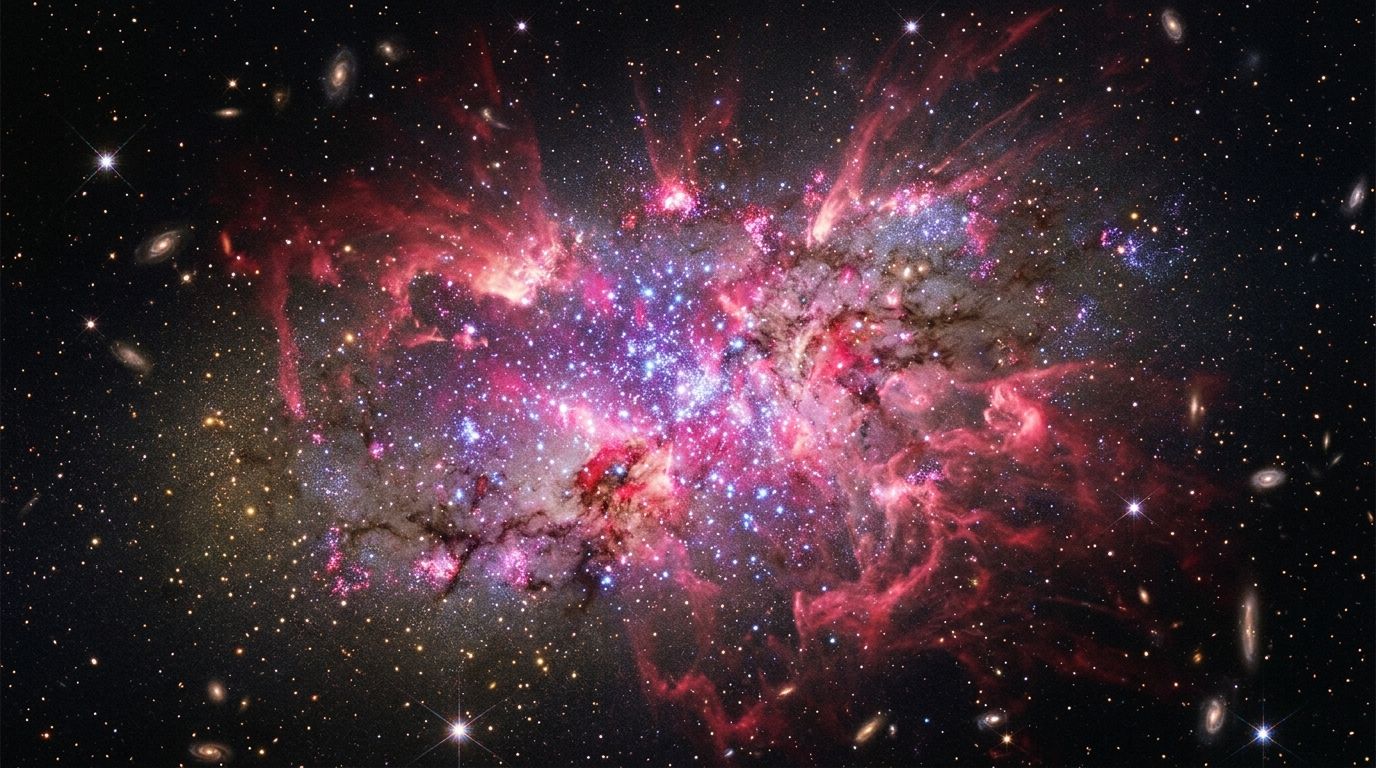
“Don't judge a galaxy by its size! Discover how the smallest galaxies in the universe are actually the biggest contributors to spreading the building blocks of life.”
When we think of galaxies, we often picture massive, majestic spirals like our home, the Milky Way, which stretches across 100,000 light-years and contains hundreds of billions of stars. But the universe has a secret: the most common type of galaxy isn’t the giant ones—it’s the tiny ones.
Meet the Dwarf Galaxies
Dwarf galaxies are cosmic minnows. They are about 1/10th the size of the Milky Way and contain only a few billion stars. Because they are so small, their gravity is weaker, making them fascinating laboratories for astrophysicists.
Recently, the Hubble Space Telescope captured a stunning image of a dwarf galaxy named NGC 4449. When scientists analyzed it, they found something surprising: this galaxy is missing a massive amount of oxygen compared to what scientific models predicted.
The Cosmic Thieves
Where did all the oxygen go? The answer reveals a violent and beautiful process.
Inside these dwarf galaxies, stars burn fiercely. When massive stars reach the end of their lives, they explode in spectacular supernovae. Because dwarf galaxies have low gravity, these explosions create incredibly powerful stellar winds. These winds are so strong that they literally blow the oxygen and other heavy elements right out of the galaxy and into the vast emptiness of intergalactic space.
The Seeds of Life
But this isn't a tragedy; it's a cosmic gift. The oxygen and heavy elements being blown away are the exact building blocks of life—the carbon, oxygen, and iron that make up planets, trees, and even human beings.
By blowing these elements out, dwarf galaxies act like cosmic sprinklers, enriching the space between galaxies. These elements eventually mix with the gas clouds that form new stars and planets.
So, the next time you look up at the night sky, remember: some of the elements in your body might have been forged inside a tiny dwarf galaxy billions of years ago, traveling across the void to make life possible.
Explore Further:
Want to learn more about the building blocks of the universe? Visit our Periodic Table with Cosmic Origins on Galaxander to see where elements like Iron and Oxygen come from!
Galaxander Team
Dedicated to translating the mysteries of celestial mechanics, astrophysics, and deep space telemetry into compelling insights for stargazers across the globe.
More Cosmic Discoveries
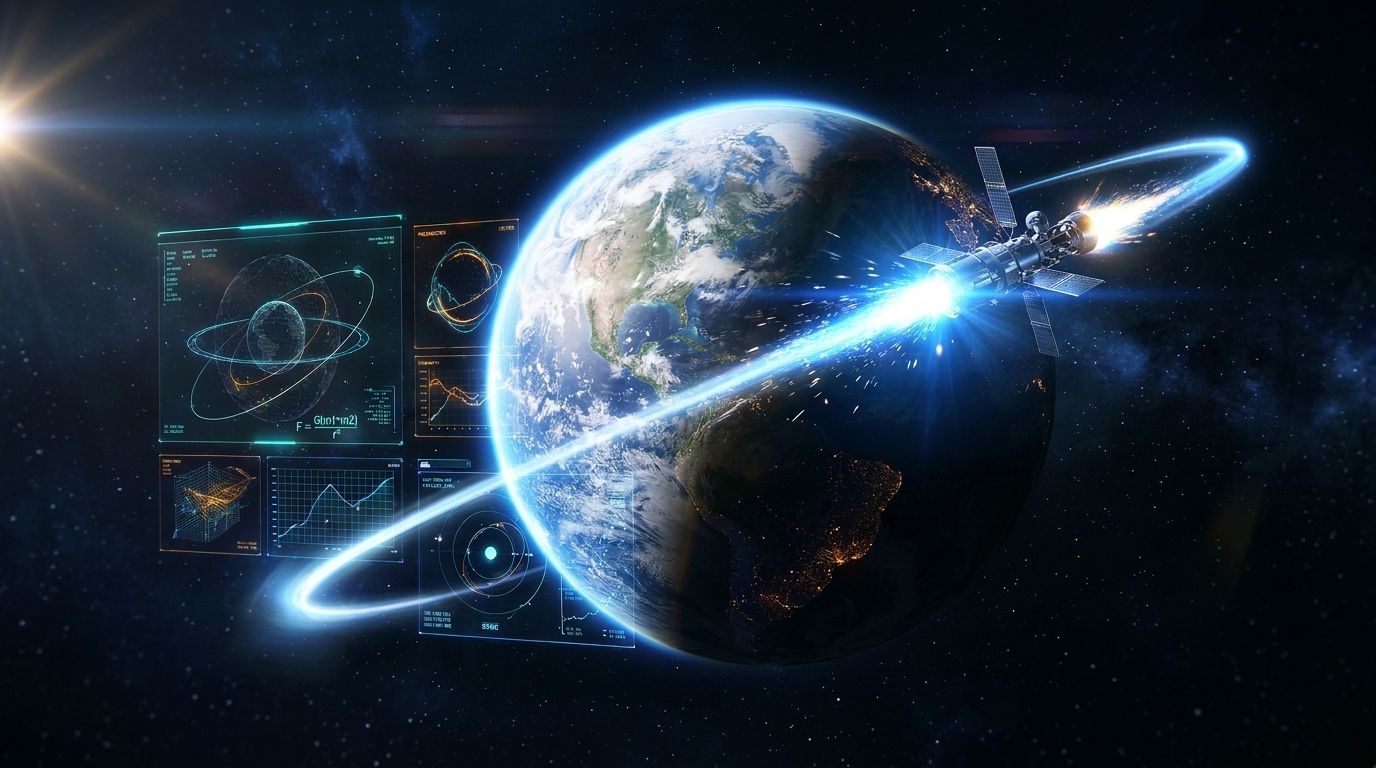
Beyond the Textbook: How We Built a Cinematic Gravity Lab in Your Browser 🌍🚀
Space isn't just about looking at planets; it's about understanding how they move. But making orbital physics look like a Hollywood movie is harder than it sounds.
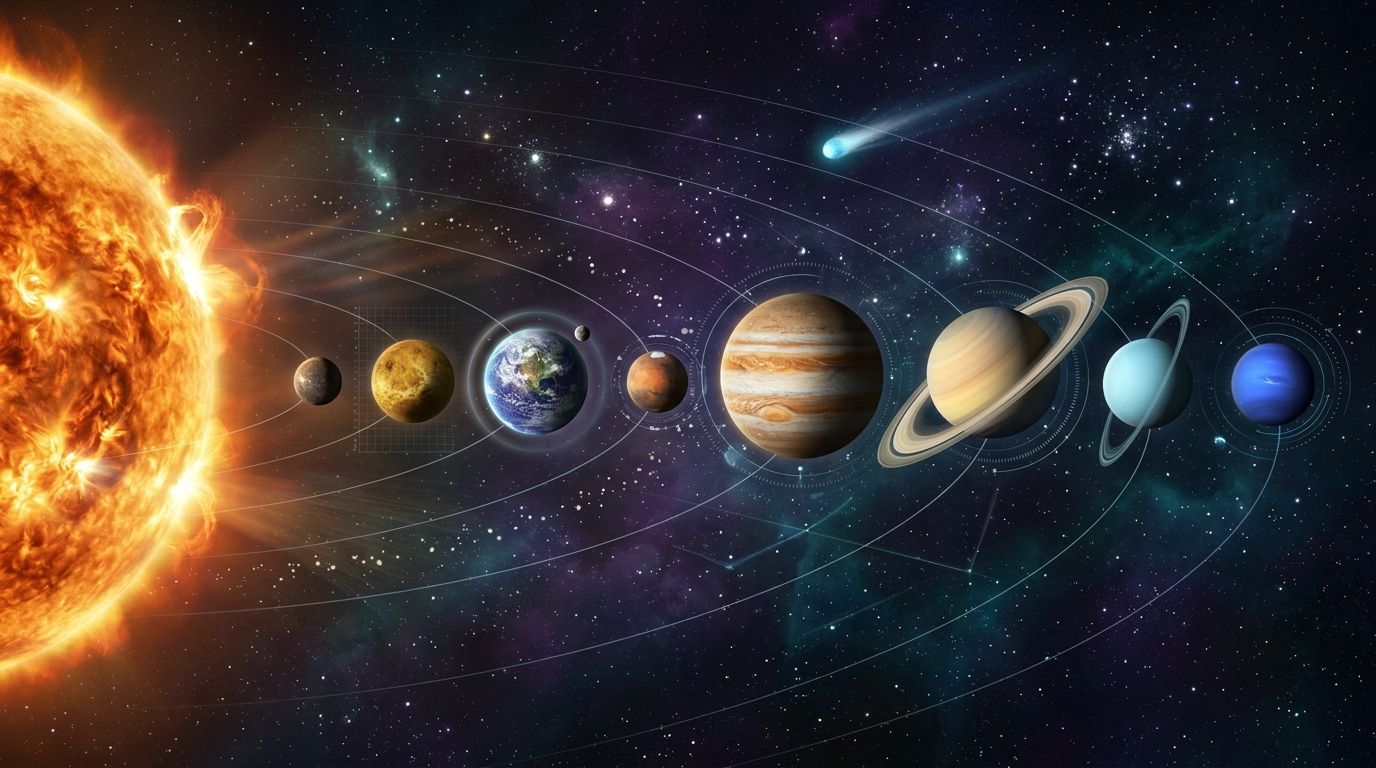
Explore the Solar System in 3D: A Journey Through Our Cosmic Neighborhood
Have you ever wanted to fly through space? Discover how our interactive 3D Solar System brings the planets, moons, and orbits directly to your screen.